
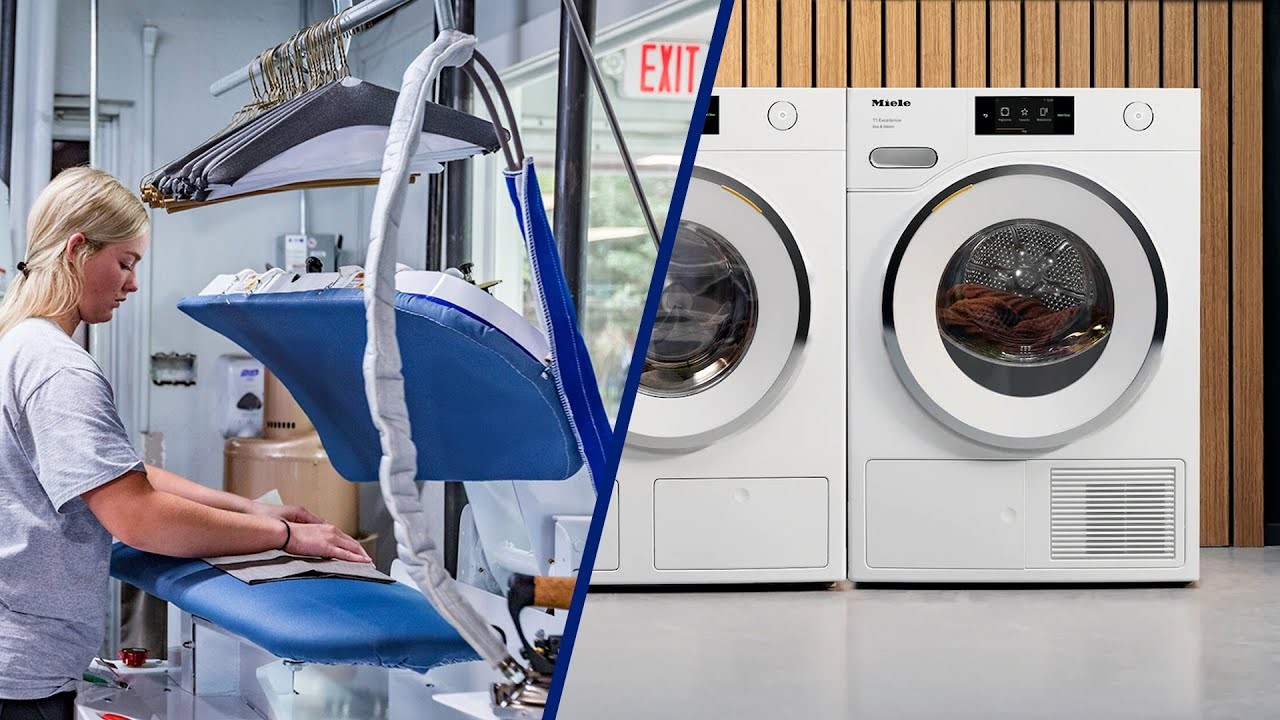
Standing in front of your laundry pile, it is not always clear which items need extra care. Understanding dry cleaning vs. laundry is what keeps your clothes from shrinking, fading, or losing their structure.
The choice is not random. It depends on how each fabric reacts to water, heat, and movement inside a machine.
Dry Clean vs. Laundry Explained Through Fabric Behavior
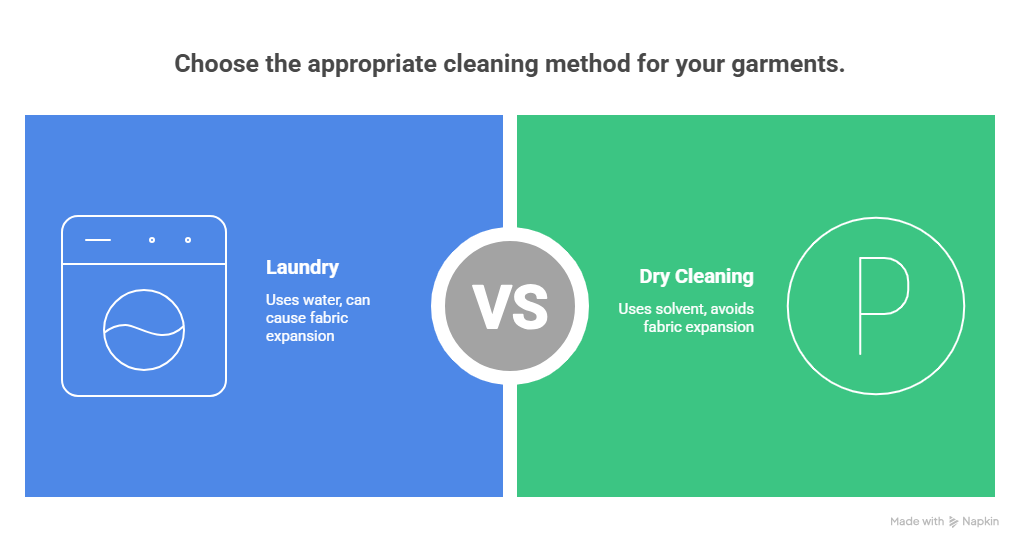
The core difference between dry cleaning and laundry comes down to how fabrics respond to moisture. Water works well for removing sweat and everyday dirt, but it also causes certain fibers to expand.
That expansion can distort shape, especially in wool, silk, or rayon. Dry cleaning avoids water entirely and uses a solvent that lifts oils without swelling the fibers. When you understand dry cleaning vs. laundry, you stop treating every garment the same and start protecting how it fits and feels.
How Construction Details Change the Right Choice
Fabric type is only part of the decision. Garment construction matters just as much. Items with linings, padding, or stitching layers react differently under stress.
A blazer, for example, has multiple layers that can shift if exposed to water and spin cycles. This is where the difference between dry cleaning and laundry becomes obvious. Laundry can pull those layers unevenly, while dry cleaning keeps everything aligned.
For pieces like these, using dry cleaning helps maintain structure instead of risking distortion.
Agitation and Drum Impact That Wear Fabrics Down
Laundry relies on agitation, which is clothes rubbing against each other to remove dirt. While effective, that motion creates friction.
In the dry clean vs. laundry comparison, dry cleaning uses a gentler rotation with minimal friction. This reduces pilling and surface wear. If you have noticed your clothes thinning or losing texture over time, it usually comes from repeated high-impact wash cycles.
Choosing the right method limits the wear and keeps fabrics intact longer.
When Does Your Routine Need More Flexibility?
Not every item in your wardrobe fits into one category. Some fabrics can handle both methods depending on how they are constructed.
That is where understanding dry cleaning vs. laundry helps you make better decisions without making assumptions. If your schedule is tight, combining services like pickup and delivery allows you to manage both without sorting everything yourself.
You focus on wearing your clothes, and we handle how they are cleaned.
Make the Right Choice Without Trial and Error!
The wrong cleaning method does not always show damage immediately, but it builds up over time. Knowing dry clean vs. laundry helps you avoid those slow changes that affect fit, texture, and color.
At Bubbles Laundry, we evaluate each garment based on fabric, structure, and use. Whether it needs water-based cleaning or solvent care, the decision is made before the cycle starts.
Bring in your next load or request your service today!
FAQs
Can I wash “Dry Clean Only” items at home?
It is risky. Many fabrics can shrink or lose shape when exposed to water and agitation.
Why does laundry sometimes make my clothes feel stiff?
This usually comes from detergent residue or hard water. Proper rinsing prevents buildup.
Is dry cleaning better for removing stains?
It depends on the stain type. Oil-based stains respond better to dry cleaning, while water-based stains wash out more easily.
How do I know if a garment is structured?
Look for linings, padding, or layered stitching. These items hold shape and usually need dry cleaning.

